





Purchasing personal protective equipment
For many businesses, workwear and personal protective equipment (PPE) as well as safety supplies represent a day-to-day essential. Purchasing the right PPE is key, as this will help to minimise the risks associated with performing hazardous tasks and may even save lives.
However, because onsite workwear is so commonplace, companies do not always put a lot of thought into their policies on PPE purchasing and use. It may be seen as a mundane formality rather than a decision-making process that requires careful consideration.
One of the most vital considerations when developing a PPE policy is knowing that protective workwear should always be seen as an addition to a rigorous workplace safety policy rather than a replacement for it. PPE is designed to offer protection against possible injury-causing hazards such as dangerous machinery, falls from height, toxic substances and extreme temperatures - all of which are dangers that should ideally be eliminated through careful risk management and safe systems of work.
A key mistake that companies can make is adopting a generic approach when allocating workwear, workplace supplies and PPE rather than actually thinking about the specific needs of the job at hand. Not all items of PPE are the same. Regulators have strict rules in place to make sure that any protective workwear used in professional circumstances is fit for purpose, and these rules need to be followed at all times. It is also important to take the time to make sure staff members are well-trained and know exactly how to use PPE.
High-quality PPE is designed to be durable, but nothing lasts forever, especially when exposed to regular wear and tear. That’s why it is vital to look after workwear and to replace it when it is no longer fit for use. Good health and safety in the workplace requires continual investment and monitoring, and PPE and workwear are no exception.
[edit] Related articles on Designing Buildings
Featured articles
Check out some of the best features and news from Designing Buildings as well as key stories from around the web.
The importance of early engagement

Construction lessons from the Trillium HealthWorks Experience Centre.
Mayors are to be given planning call in powers
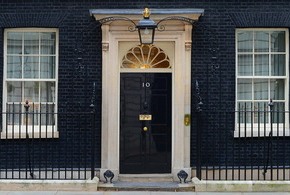
Mayors across England will be able to make the most important planning decisions.

The Master Builder: William Butterfield and his times. Book review.

Why construction can't afford to ignore the skills gap.
Building Safety Regulator, 19 August

Gill Kernick appointed Independent Chair of Residents’ Panel.
Connecting knowledge, technology and conservation
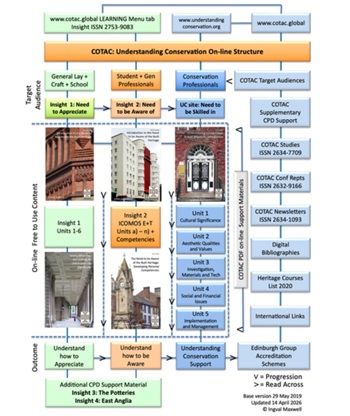
Building competence for the future of built heritage.
Building Regulations and Building Safety Act
CIOB publishes free advice for non-domestic clients.
Building Safety Newsletter from MHCLG.

An extraordinary record of steel engineering worldwide.

Households living near new pylons to save on bills.

ECA warns growth must not outpace grid capacity or skills.
The role of the client and decision making

CIOB response to built environment professions call for evidence.